Tag: tax-efficient retirement planning

  • Is Your Portfolio Really Aligned With Your Retirement Goals?

    Is Your Portfolio Really Aligned With Your Retirement Goals?

    People ask me this question all the time, “Raman, how do I know if my investments are still aligned with my retirement plan? Everything feels like it’s changing… the markets, taxes, interest rates…even my own comfort level with risk.”

    And that’s a great question. Because your investment allocation, how much you hold in stocks, bonds, and cash, isn’t meant to be set once and forgotten. It should evolve with your risk tolerance, your retirement timeline, and your life itself.

    And far too often I meet couples in Phoenix, Paradise Valley, or Tucson who haven’t re-evaluated their allocation in years. They’ve been through recessions, recoveries, and new tax laws, but their portfolios still look like they did when they were in their 40s. So what’s the problem? Well, that kind of static approach when you retire and start living off your portfolio can easily derail a retirement plan.

    Why Your “Comfort Level” With Risk Isn’t the Whole Story

    You see, risk tolerance is more than just how much market volatility you can emotionally handle, it’s also how much risk you can afford to take based on your financial stage. For example, I recently met a couple from Chandler who had built up close to $3 million across 401(k)s. They told me they were “moderate investors,” but when I reviewed their holdings, almost 90% of their portfolio was still in equities. Stock market has been doing phenomenal over the past couple of years and their equity exposure just ballooned because they never rebalanced their portfolio. They weren’t choosing to take more risk; the market had made that choice for them.

    And that’s exactly where a risk alignment review comes in. It’s about making sure your money is positioned intentionally, not accidentally.

    So, how do we position it intentionally? 

    Step 1: Match Your Allocation to Your Retirement Timeline

    Your retirement timeline dictates how much risk your portfolio can withstand.

    • 10+ years before retirement: You still need growth to outpace inflation. Equity exposure remains important, but it should be diversified across sectors and regions.
    • 5 years before retirement: This is where pre-retirees should start layering in stability — think bonds, cash reserves, or short-term fixed-income positions. It’s about reducing the odds that a bad market year forces you to sell investments at a loss.
    • In retirement: The focus shifts from accumulation to distribution. Your portfolio’s purpose now is to create consistent income without depleting principal too early. That means combining growth assets (to fight inflation) with lower-volatility holdings that fund near-term withdrawals.

    One of my clients in Tucson once said, “Raman, I finally understand…it’s not about avoiding risk; it’s about timing risk.” And she was exactly right. 

    Step 2: Stress-Test Your Portfolio for the Real World

    Here’s a simple truth: it’s easy to feel confident in your allocation when markets are calm. The real test comes during downturns. A stress test simulates what would happen to your retirement plan if markets dropped 20–30%. Would you still have enough liquidity for your next two years of living expenses? Would your income plan still work without selling investments at the wrong time?

    When I work with my clients across Scottsdale, Marana, and Surprise, I build these “what-if” scenarios using Right Capital. The goal isn’t to scare you,  it’s to make your plan bulletproof. If a portfolio can survive a recession, rising interest rates, and a tax hike, and STILL provide the lifestyle you want, that’s when you know you’re truly aligned.

    Step 3: Use Asset Location for Tax Efficiency

    Alignment isn’t just about risk,  it’s also about tax efficiency. A very common mistake I see is when retirees spread investments evenly across every account (IRAs, Roth IRAs, taxable accounts) without realizing that different assets belong in different tax “buckets”. So here’s the educational framework I often share as base foundation –

    • Tax-deferred accounts (IRA, 401(k)): Best for bond funds or REITs that generate ordinary income.
    • Taxable accounts: Great for index funds and ETFs that produce qualified dividends and long-term capital gains.
    • Roth accounts: Ideal for high-growth assets you want to keep tax-free in the future.

    That simple change, which is what call asset location, can increase after-tax returns without increasing risk. It’s a quiet, efficient way to stretch your wealth further, especially in high-tax years or before Required Minimum Distributions begin.

    Step 4: Rebalance Regularly, But Intentionally

    Market conditions change. Inflation rises, interest rates shift, and global events create ripple effects. If you haven’t rebalanced your portfolio lately, chances are your allocation no longer reflects your true plan. You see, rebalancing doesn’t mean constant trading, it means realigning your investments back to their intended targets. It helps you sell high, buy low, and control portfolio drift over time.

    And for many retirees in Phoenix and Paradise Valley, even a simple annual rebalance (or semi-annual during high volatility) can make the difference between a portfolio that stays stable and one that gradually skews too aggressive.

    Step 5: Align Emotionally and Mathematically

    The best allocation isn’t the one with the highest return, it’s the one you can stick with through every market cycle. If you lose sleep during downturns, it doesn’t matter how theoretically “optimal” your portfolio looks on paper. That emotional risk tolerance must be built into the design. And sometimes, the right move isn’t increasing returns, it’s reducing anxiety. Because when you stay disciplined, the math works in your favor over time.

    What This Means for Arizona Retirees

    Arizona is the home of retirees. From the golf communities of Scottsdale to the foothills of Marana, but they all face a unique mix of challenges: longer life expectancy, rising healthcare costs, and an unpredictable tax landscape.

    Your investment allocation has to account for all of that. It’s not just about asset growth, it’s about income sustainability, tax control, and peace of mind. And remember, what worked during your working years doesn’t always work in retirement.


    Markets evolve. So should your strategy. And your portfolio isn’t just a collection of investments, it’s the engine that fuels your next 30 years of life. Making sure your allocation aligns with your risk tolerance and retirement timeline means testing how it performs when things don’t go perfectly, and having a plan that adapts before you’re forced to react.

    If you’re in Arizona, whether you’re nearing retirement in Chandler, already retired in Scottsdale, or planning from Tucson or Paradise Valley,  it’s worth asking: “Is my portfolio built for growth, or is it built for my goals?”

    If you’re unsure, now’s the time to find out. You’ve built significant wealth but aren’t confident your investments match your risk tolerance or timeline, I invite you to take the next step.

    Raman Singh, CFP®

    Your Personalized CFO

    Relatable Articles

    Important Disclosures

    The information provided herein was obtained from sources believed to be reliable and is believed to be accurate as of the time presented, but it is provided “as is” without any express or implied warranties of any kind.

    This material is intended for informational and educational purposes only and should not be construed as individualized investment, tax, or legal advice. You should consult with your own qualified investment, tax, or legal advisor before making any decisions based on this material.

    Investing involves risk, including the possible loss of principal. Past performance is not indicative of future results. Withdrawal strategies and tax outcomes will vary depending on individual circumstances, account types, tax brackets, and market conditions. No strategy can guarantee success or prevent losses.

    Investment advisory services are offered through Singh PWM, LLC, a registered investment adviser offering advisory services in the State of Arizona and other jurisdictions where registered or exempted.

    Singh PWM, LLC is a registered investment advisor offering advisory services in the State(s) of Arizona and in other jurisdictions where exempted. Registration does not imply a certain level of skill or training. The presence of this website on the Internet shall not be directly or indirectly interpreted as a solicitation of investment advisory services to persons of another jurisdiction unless otherwise permitted by statute
  • Is My Financial Advisor a Fiduciary?

    Is My Financial Advisor a Fiduciary?

    When you’ve worked your entire life, built up a nest egg worth $2 million or more, and now you’re asking, “Can I actually retire comfortably?” or “Am I paying more in taxes or fees than I should?”, this one question matters more than almost anything else: Is my financial advisor truly working for me?

    If you’re in Arizona, let’s say in Phoenix, Scottsdale, Tucson, or Chandler, you’ve probably seen a flood of advisors calling themselves “fiduciaries.” But here’s the reality most people don’t realize that not everyone who says they’re a fiduciary actually acts like one.

    So many investors just assume they’re getting fiduciary advice simply because their advisor is licensed, or holds a CFP® designation, or works at a recognizable firm. But licensing doesn’t automatically make someone a fiduciary. Even insurance agents and registered agents can technically claim the fiduciary title and still earn commissions from misappropriately selling annuities, insurance, or front-loaded mutual funds.

    I just recently started working with a Scottsdale client who was convinced she wasn’t paying any fees on her $4 million annuity which was misappropriately sold to her 9 years ago. And here’s the reality, when we reviewed her statements together, we discovered she was paying around 3% per year in combined fund expenses, annuity costs, and management fees which comes out to roughly $120,000 every year…quietly draining her portfolio’s growth. And unfortunately, she’s not alone, this happens all the time. 

    So what does “fiduciary” really mean, and what questions should you be asking to find out if your advisor truly acts like one?

    A fiduciary is someone who is legally required to put your interests first, even if it means making less money themselves. It means recommending what’s truly best for you, not what pays them more, while providing full transparency about fees, conflicts, and incentives. A fiduciary must act with the same duty of care and loyalty you’d expect from a doctor or attorney. Advisors who aren’t held to this fiduciary standard only have to meet a much lower “suitability” test — meaning their recommendation just has to be suitable, not necessarily the best or most cost-effective choice for your situation.

    Asking “Are you a fiduciary?” isn’t enough. Anyone can say yes. The real insight comes from asking questions that reveal how your advisor gets paid and where their loyalty actually lies.

    Here are a few questions you should be asking:

    How do you get paid?  Transparency starts here. Ask if they charge a flat fee, a percentage of your assets, or commissions. The way they earn money directly impacts the type of advice you receive and whether it’s aligned with your goals.

    A flat-fee fiduciary financial advisor eliminates product-sales incentives and keeps recommendations focused solely on your best interests. At Singh PWM, this model ensures advice is 100% client-driven — no % of AUM fees, no commissions.

    Do you make more money if I choose one product or company over another?  Or do you get paid differently depending on which mutual fund, annuity, or insurance carrier you recommend? If the answer isn’t a clear and confident “No,” that’s a built-in conflict of interest.

    Do you receive incentives or payments from third parties?  Some advisors get paid extra for recommending specific products. A fee-only fiduciary doesn’t accept outside compensation because their loyalty is to you, not a product manufacturer.

    How many clients do you currently work with? If an advisor is managing hundreds of households, how much proactive attention will your plan really get?

    Will you build my plan yourself, or will a junior advisor take over? You deserve to know who’s actually creating your financial plan and managing your portfolio, and not to be handed off once the paperwork is done.

    Are your investment and planning decisions customized? Some large firms rely on cookie-cutter models that benefit the company more than the client. A true fiduciary builds strategies tailored to your life, your tax situation, and your goals.

    Do you offer ongoing tax planning or even tax preparation? Most advisors avoid taxes entirely, but real fiduciary planning integrates investment, income, and tax strategies. At Singh PWM, I personally review client tax returns each year and coordinate proactive Roth conversions and cash-flow planning.

    Do you coordinate with my estate attorney? Retirement isn’t just about money — it’s about legacy. Your advisor should ensure your estate plan and beneficiaries align with your long-term goals.

    Are you independent or tied to a corporate product line? Independence means freedom to choose what’s best for you, not what benefits a parent company’s sales targets. If you’re looking for a fiduciary financial advisor in Phoenix or a fee-only financial planner in Scottsdale, this is one of the most important questions you can ask.

    So What Documentation Proves Fiduciary Status?

    Documentation matters because “fiduciary” is just a word until it’s supported by clarity and transparency. While no single form will explicitly prove, “This advisor is a fiduciary,” several documents will help you understand how they operate, how they’re paid, the scope of your relationship, and their credentials.

    Form ADV (Parts 2A & 2B)
    Part 2A explains an advisor’s services, fees, and conflicts of interest.
    Part 2B lists their background, education, and disciplinary history.
    Every Registered Investment Advisor must make this public.

    Financial Planning or Advisory Agreement
    This document sets the tone for your entire relationship with your advisor, so it’s worth taking a close look. It should clearly say that your advisor acts as a fiduciary at all times not just “when providing planning advice.” You’ll also want it to spell out what working together actually looks like: how often you’ll meet, what’s covered in those meetings, and how ongoing support works. 

    For example, will your advisor proactively review your taxes, cash flow, and investments each year, or only check in when you reach out first? The agreement should make it easy to understand what’s included in your annual fee, what kind of communication you can expect, and whether anything comes with extra costs. A clear, detailed advisory agreement removes surprises and helps you feel confident about exactly what you’re getting, and how your advisor plans to help you reach your goals.

    CFP certification
    It’s a strong professional benchmark, but still ask about compensation. Even CFPs can work at firms that promote proprietary products.

    And If your advisor hesitates to share these documents or avoids questions about their pay structure, that’s a red flag. 

    Without clear proof, you could be paying hidden fees, receiving advice built around sales quotas instead of your retirement goals, or trusting a “fiduciary” label that offers no real legal protection. Having proper documentation gives you the clarity, transparency, and peace of mind that your advisor is legally bound to act in your best interest.

    The Flat-Fee Fiduciary Difference

    At Singh PWM, transparency isn’t a buzzword — it’s the foundation of how I work. The fiduciary standard applies at all times, and you’ll always receive my Form ADV and advisory agreement upfront. Instead of charging a percentage of your assets, I use a flat annual fee that keeps everything simple, predictable, and aligned with your goals. Every part of your financial life — from investments and taxes to estate planning — is connected through one clear, cohesive plan designed around you. This approach ensures you always know how I’m paid and that my focus stays exactly where it belongs: on you.

    Because not all advisors who call themselves fiduciaries actually operate that way. To protect yourself, go beyond the title. Ask about pay structures, look for hidden conflicts or quotas, and request their Form ADV and fiduciary agreements in writing. Find out who’s really managing your plan and how many clients they serve. 

    Your retirement deserves more than “suitable” advice. It deserves transparent, documented, conflict-free guidance from someone who truly works for you, not their firm.

    If you’re searching for a fiduciary financial advisor in Phoenix, a fee-only financial planner in Scottsdale, or a flat-fee fiduciary advisor serving Tucson, Chandler, and across Arizona, let’s connect. I’ll show you exactly what true fiduciary documentation and flat-fee planning look like, so you can retire with clarity, confidence, and control.

    Request my Form ADV and fiduciary agreement today to see how real fiduciary planning is supposed to work.

    Raman Singh, CFP®

    Your Personalized CFO

    Related Reading

    If this topic hits home, you might also want to read:

    Important Disclosures

    The information provided herein was obtained from sources believed to be reliable and is believed to be accurate as of the time presented, but it is provided “as is” without any express or implied warranties of any kind.

    This material is intended for informational and educational purposes only and should not be construed as individualized investment, tax, or legal advice. You should consult with your own qualified investment, tax, or legal advisor before making any decisions based on this material.

    Investing involves risk, including the possible loss of principal. Past performance is not indicative of future results. Withdrawal strategies and tax outcomes will vary depending on individual circumstances, account types, tax brackets, and market conditions. No strategy can guarantee success or prevent losses.

    Investment advisory services are offered through Singh PWM, LLC, a registered investment adviser offering advisory services in the State of Arizona and other jurisdictions where registered or exempted.

    Singh PWM, LLC is a registered investment advisor offering advisory services in the State(s) of Arizona and in other jurisdictions where exempted. Registration does not imply a certain level of skill or training. The presence of this website on the Internet shall not be directly or indirectly interpreted as a solicitation of investment advisory services to persons of another jurisdiction unless otherwise permitted by statute
    SEO Schema

    Primary Keywords: fiduciary financial advisor Phoenix, fee-only financial planner Scottsdale, flat-fee fiduciary advisor Tucson, fiduciary financial planner Chandler, Arizona fiduciary advisor
    Author: Raman Singh CFP®, Personalized CFO | Singh PWM
    Entity Schema: LocalBusiness > FinancialService > InvestmentAdvisor
    GeoTarget: Phoenix AZ | Scottsdale AZ | Tucson AZ | Chandler AZ
    Internal Links: Form ADV page, “Firing Your Advisor,” “Investment Fees” articles

  • Avoid These 5 Retirement Tax Traps in 2026 Before They Drain Your Nest Egg

    Avoid These 5 Retirement Tax Traps in 2026 Before They Drain Your Nest Egg

    Most retirees don’t realize how much they’re overpaying in taxes. Discover five hidden retirement tax traps and how to protect your income and lifestyle in 2026. Serving Phoenix, Scottsdale, Chandler, Tucson, and greater Arizona.

    Let’s Be Honest…

    You’ve worked your entire life, saved diligently, invested wisely, and now you finally get to enjoy it.  But then tax season hits and you ask yourself, “Why am I paying so much when I’m not even working anymore?”

    If that sounds familiar, you are not alone. Every week, I meet retirees across Phoenix, Scottsdale, Chandler, and Tucson who feel blindsided about how their income is taxed in retirement. The truth is, retirement taxes don’t work like paycheck taxes. You’re now in control, and how you pull money from your IRAs, Roth accounts, taxable investments, and Social Security determines how much you actually keep and how much Uncle Sam gets to keep. 

    So, let’s walk through five major retirement tax traps I see people fall into, but most importantly how you can avoid them in 2026.

    1. The Hidden Medicare Premium Tax – IRMAA

    Here’s the thing, most retirees don’t realize that Medicare premiums are income-based. The Income-Related Monthly Adjustment Amount (IRMAA) is a surcharge on Medicare Part B and Part D premiums if your income exceeds certain thresholds. The Kiplinger article mentions, “IRMAA is a surcharge added to your Medicare Part B and Medicare Part D prescription drug coverage premiums if your income is above a certain level.” And for 2026, the base Part B premium is projected to be about $206.50 per month, and the surcharge begins if your 2024 Modified Adjusted Gross Income exceeds $107,000 (single) or $214,000 (joint). Higher-income retirees could pay more than $700 per month in total premiums.

    So here’s an example to put it in perspective –  A retired couple in Scottsdale sold a second home in 2024, triggering a large capital gain. The next year, their Medicare premiums jumped by over $3,000 because that one-time sale pushed them into a higher IRMAA bracket.

    And here’s what  you can do to avoid it – 

    • Plan large income events (like Roth conversions or property sales) over multiple years.
    • Monitor your MAGI (Modified Adjusted Gross Income), not just taxable income.
    • If your income has dropped, file Form SSA-44 to appeal your IRMAA tier.

    2. Missing the “Golden Window” for Roth Conversions

    Between the time you retire and the year you turn 73, when Required Minimum Distributions start, you have what I call your “Golden Window”. This window is your best opportunity to convert traditional IRA or 401(k) assets into Roth IRAs while your income and tax rate are temporarily lower. Once RMDs kick in, you lose that flexibility, and your tax bill can rise sharply. As Fidelity puts it pretty straightforward, “If you convert pre-tax IRA assets to a Roth IRA, you’ll owe taxes on the converted amount, but you won’t owe any taxes on qualified withdrawals in retirement.”

    I’ll tell you about my client based out of Chandler who had $2.5 million in pre-taxed savings and he waited until RMD age to take any action. And when RMDs started, his tax bracket jumped from 22% to 32%. If I had an opportunity to meet this client 10 years earlier, we would’ve started annual Roth conversions much earlier, and he could have reduced lifetime taxes and kept his Medicare premiums lower.

    And here’s what you can do to avoid those mistakes – 

    • Convert gradually each year to stay in a lower bracket.
    • Be mindful of IRMAA thresholds when converting.
    • Paying 22% tax now could save you 30%+ later.

    3. Taking Social Security Too Early

    It’s one of the most common questions I get – “Should I take Social Security at 62?” The answer isn’t just about the benefit amount; it’s also about tax timing. Up to 85% of your Social Security benefits can become taxable depending on your other income sources like IRA withdrawals or investments.

    I met a couple from Phoenix who took Social Security at 62 and they were withdrawing $90,000 from their IRAs. That year alone, most of their Social Security was taxed which increased their overall tax bracket. In their situation, if they had waited until 67, their benefit would have been about 30% higher, and they could have used the early years for Roth conversions instead.

    So how do you make sure you don’t end up making similar mistakes? 

    • Coordinate Social Security timing with your overall income plan.
    • Consider using taxable savings for the first few years of retirement.
    • Potentially delaying until age 70 can increase your monthly benefit by about 8% per year after full retirement age, while lowering lifetime taxes.

    4. Stacking Too Much Income in the Same Year

    Even smart investors get caught in this one. Selling investments, taking large IRA withdrawals, or doing Roth conversions all in the same calendar year can “stack” income and push you into a much higher tax bracket. The Wall Street Journal stated that, “Retirees often underestimate how capital gains, IRA distributions, and Social Security can combine to trigger higher tax and Medicare costs.”

    Not only that, I’ll tell you about a Paradise Valley retiree who sold $400,000 in stock and withdrew $120,000 from her IRA in the same year. Her taxable income jumped to over $500,000, moving her into the 32% bracket and costing an extra $25,000 in federal taxes. Only if she had spaced those transactions across two years, she would have paid roughly half that amount.

    So how do you avoid this mistake?

    • Split major transactions across different tax years.
    • Use tax-loss harvesting to offset gains.
    • Rebalance portfolios strategically in lower-income years.

    5. Leaving Heirs a Hidden Tax Bomb

    The SECURE Act 2.0 changed how inherited IRAs work. Most non-spouse beneficiaries now must empty inherited IRAs within 10 years, which can push your children into higher tax brackets if they’re still working. The IRS states plainly: “A beneficiary who is not the owner’s spouse generally must withdraw the entire account by the end of the 10th year following the year of the original owner’s death.”

    Here’s another example –  An Oro Valley client left a $1.2 million IRA to her two adult children. Each child was forced to withdraw about $60,000 per year, during their highest earning years. Nearly half of those withdrawals went straight to taxes.

    Here’s how you can fix this now – 

    • Convert some IRA assets to Roth now while your bracket is lower.
    • Leave a mix of taxable, Roth, and traditional assets to give heirs flexibility.
    • Coordinate your estate plan and tax plan together.

    What This Means for Arizona Retirees

    If you’re over 55 and living in Phoenix, Scottsdale, Chandler, or Tucson, you can control how your retirement is taxed, but only if you plan before 2026. Once the Tax Cuts and Jobs Act sunsets, today’s lower tax brackets could rise again.

    Tax planning in retirement isn’t something you do once a year. It’s something you build into your income strategy, year after year. The goal isn’t just to pay less tax, the goal is to make your money last longer and protect your lifestyle.

    That’s exactly why I created Singh PWM, a flat-fee fiduciary firm helping Arizona retirees align their investments, taxes, and estate goals without the 1% management fee or hidden incentives.

    No products. No commissions. Just better financial planning that helps your retirement work better.

    Ready to See How Much You Can Save?

    If you’ve ever wondered, “Am I doing this right?” You owe it to yourself to find out.  Schedule your free Retirement Tax Strategy Call today, and let’s see how much you could save before 2026 sneaks up on you.

    Together, we’ll map out a plan to reduce taxes, avoid IRMAA surprises, and build tax-free income that supports the lifestyle you’ve earned right here in Arizona.

    Raman Singh, CFP®

    Your Personalized CFO

    Related Reads from Singh PWM

    Sources & References

    • Kiplinger, “What Is the IRMAA?” – “IRMAA is a surcharge added to your Medicare Part B and Part D premiums if your income is above a certain level.”
    • Fidelity Viewpoints, “Why Convert to a Roth IRA Now?” – “If you convert pre-tax IRA assets to a Roth IRA, you’ll owe taxes on the converted amount — but you won’t owe any taxes on qualified withdrawals in retirement.”
    • The Wall Street Journal, “Capital Gains, IRAs, and the Surprising Tax Traps in Retirement.”
    • IRS Publication 590-B – “A non-spouse beneficiary generally must withdraw the entire account by the end of the 10th year following the year of the original owner’s death.”

    Important Disclosures

    The information provided herein was obtained from sources believed to be reliable and is believed to be accurate as of the time presented, but it is provided “as is” without any express or implied warranties of any kind.

    This material is intended for informational and educational purposes only and should not be construed as individualized investment, tax, or legal advice. You should consult with your own qualified investment, tax, or legal advisor before making any decisions based on this material.

    Investing involves risk, including the possible loss of principal. Past performance is not indicative of future results. Withdrawal strategies and tax outcomes will vary depending on individual circumstances, account types, tax brackets, and market conditions. No strategy can guarantee success or prevent losses.

    Investment advisory services are offered through Singh PWM, LLC, a registered investment adviser offering advisory services in the State of Arizona and other jurisdictions where registered or exempted.

    Singh PWM, LLC is a registered investment advisor offering advisory services in the State(s) of Arizona and in other jurisdictions where exempted. Registration does not imply a certain level of skill or training. The presence of this website on the Internet shall not be directly or indirectly interpreted as a solicitation of investment advisory services to persons of another jurisdiction unless otherwise permitted by statute.

    Flat Fee Fiduciary Financial Advisor Arizona, Financial Planner Phoenix, Retirement Planning Scottsdale, Tax Planning Tucson, CFP Chandler, Transparent Flat Fee Financial Advisor, Fiduciary Advisor Arizona

  • Your Retirement Confidence Checklist

    Your Retirement Confidence Checklist

    Key Questions to Secure Your Financial Future

    Introduction

    At Singh PWM, I believe confident retirement planning starts with clarity — knowing what questions to ask before making life-changing decisions. This guide was designed to help you think through the most important aspects of your financial life as you approach retirement — from investment alignment and tax strategy to healthcare, estate planning, and long-term protection.

    No two retirements look the same. That’s why these questions go beyond numbers — they’re meant to help you define what a secure and meaningful retirement looks like for you and your family.

    Purpose of This Document

    The purpose of this guide is to help individuals and couples approaching retirement think critically about the key financial, tax, and lifestyle decisions that shape their next chapter. These questions are designed to spark reflection and uncover areas that may need deeper planning—whether it’s income strategy, tax efficiency, healthcare coverage, or estate protection.

    By reviewing these questions, you’ll gain clarity on what matters most, identify potential blind spots, and be better prepared to have a meaningful discussion with your financial planner or fiduciary. The goal isn’t to have every answer—but to ensure you’re asking the right questions before you make important decisions about your retirement.

    Category 1: Investment & Portfolio Alignment

    Is our current investment allocation aligned with my risk tolerance and retirement timeline?
    Should we reduce exposure to volatile assets as I near retirement?
    Are my investments tax-efficient (e.g., asset location across taxable, tax-deferred, and Roth accounts)?
    Are we investing with a strategy that provides both growth and income in retirement?
    Is my current advisor using tax-loss harvesting or direct indexing to minimize taxes?

    Category 2: Retirement Income & Lifestyle Planning

    What’s my target retirement age—and is it realistic based on my savings?
    How much income will my investments need to generate in retirement?
    When should we start drawing Social Security?
    Should we consider an annuity to create a guaranteed income stream?
    What’s our withdrawal strategy to avoid running out of money?
    Should I consider working part-time or starting a business in retirement?

    Category 3: Healthcare & Long-Term Care

    How will healthcare expenses be covered before and after Medicare eligibility?
    When should I enroll in Medicare (Parts A, B, D)?
    Do I need a Medigap policy or Medicare Advantage plan?
    What are the penalties if I delay enrollment?
    How much will Medicare cost annually, including IRMAA surcharges?
    How do I coordinate retiree health coverage with Medicare?
    What is the best timing to stop contributing to an HSA before Medicare?
    When should we explore long-term care insurance to protect against nursing home costs?
    Should I consider a hybrid life + long-term care insurance policy?

    Category 4: Tax Strategy & Roth Conversion Planning

    Am I working with a tax professional who understands my retirement goals?
    Are all my deductions and credits optimized?
    Are there ways to reduce taxes?
    Should I file jointly or separately with my spouse?
    What will my tax bracket be in retirement vs. now?
    Should we do partial Roth conversions before RMDs kick in at age 73?
    How can I reduce future Required Minimum Distributions (RMDs)?
    Are we using tax-efficient investments in taxable accounts?
    Should we contribute to an HSA or use it for healthcare costs in retirement?
    Are there state tax considerations if I plan to move after retiring?
    Can I structure my withdrawals to keep Medicare IRMAA surcharges low?

    Category 5: Estate & Legacy Planning

    Do we need a revocable or irrevocable trust?
    How do we plan for incapacity with a living will or healthcare proxy?
    Who will take care of my affairs if I become unable to manage them?
    Is our estate plan coordinated with my tax and investment strategy?
    Do I have the right structures (trusts, LLCs, insurance) to protect my wealth?
    Is my wealth protected for the next generation (heirs, trusts, gifting)?
    What would happen to my family financially if I passed away tomorrow?
    Is our estate protected from potential lawsuits or creditors?
    Should we consider domestic asset protection trusts?
    Are there risks to my legacy from adult children’s creditors or spouses?

    Category 6: Insurance & Risk Management

    Do I still need life insurance, or should I adjust my coverage?
    Are my home, auto, and umbrella insurance policies sufficient?
    Have I accounted for longevity risk (living into my 90s or beyond)?
    Is our wealth plan built to withstand economic downturns?
    Are my assets protected from market volatility and inflation?
    Is our portfolio prepared for long-term income and principal protection?

    Category 7: Coordination & Professional Planning

    Am I working with a coordinated team (advisor, CPA, attorney) who share my goals?
    Are all aspects of my financial life—investments, taxes, estate, insurance—aligned?
    Do I have a clear point person acting as my fiduciary advocate?

    Taking the Next Step

    If you identified areas that feel uncertain, that’s where I can help. As your Personalized CFO, my role is to align your investments, taxes, and retirement income into one cohesive plan—so you can retire with confidence and clarity.

    Schedule Your Private Planning Session
    www.SinghPWM.com | Raman@singhpwm.com

    By: Raman Singh, CFP®

    Personalized CFO

    Singh PWM

    Related Reading

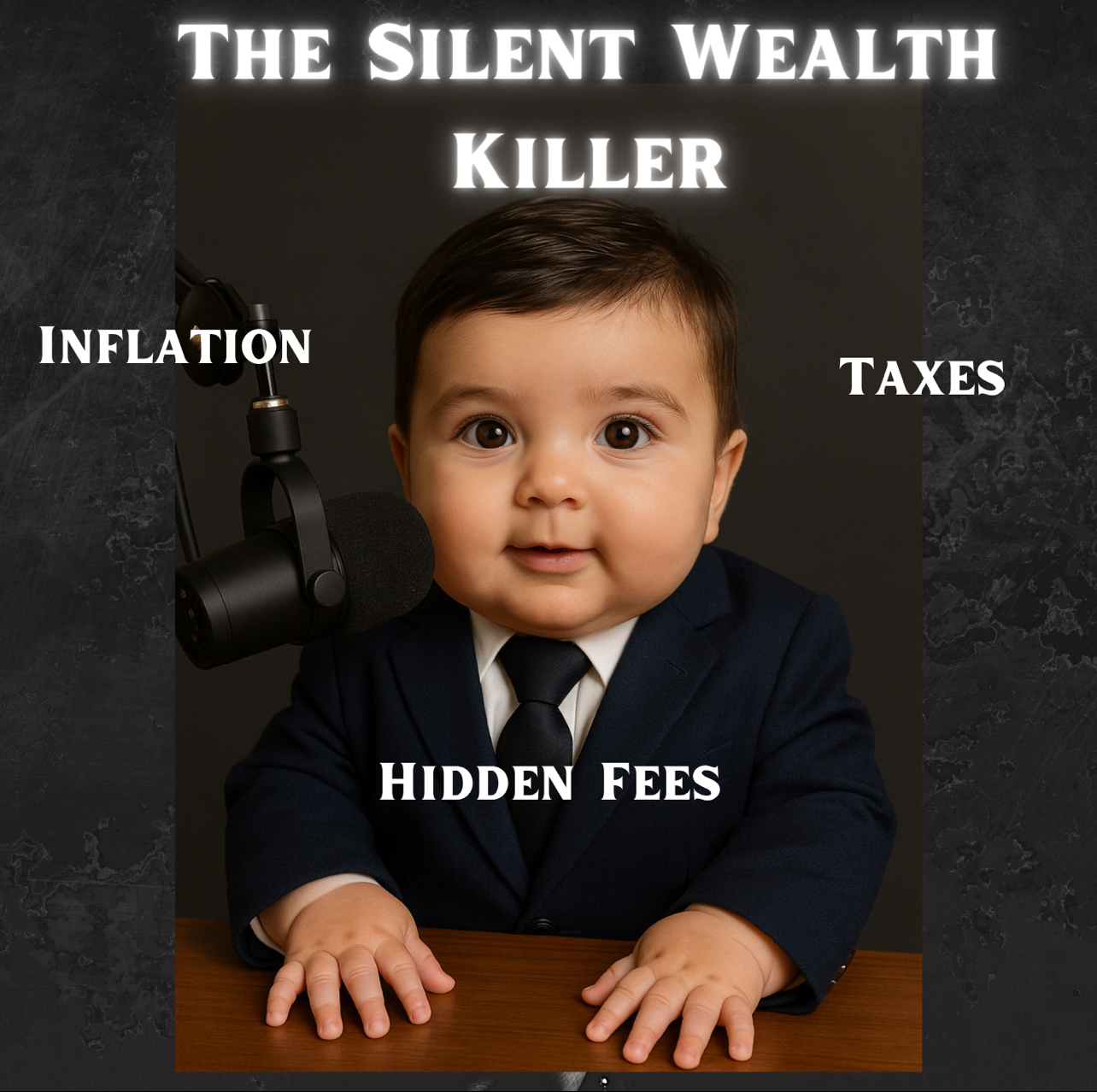
    The Silent Wealth Killer: How Inflation and Taxes Team Up Against Your Retirement Income

    Am I Paying Too Much in Advisor and Investment Fees?

    Retirement Planning Without Taxes: Why It Costs So Much (and How to Fix It)

    Arizona Retirement Math: What a $2 Million Nest Egg Actually Gets You in Chandler, Paradise Valley, and Beyond

    Should I Consider an Annuity to Guarantee Retirement Income?

  • The Silent Wealth Killer: How Inflation and Taxes Team Up Against Your Retirement Income

    The Silent Wealth Killer: How Inflation and Taxes Team Up Against Your Retirement Income


    So you’ve spent the last few decades working hard, saving diligently, and now find yourself with a few million dollars tucked away for retirement, first off, congratulations. You’ve done something that most people never achieve. But let’s be honest: the hard part isn’t building the nest egg. It’s protecting it from the quiet forces that slowly erode it over time.

    And the two biggest culprits? Inflation and taxes. You can’t see them, you can’t stop them, and together, they’re quietly working against your financial freedom every single year.

    A couple I recently worked with, Jim and Lisa, both 63, retired as an engineer, with no brokerage account. Between their 401(k)s, Roth IRAs, and savings, they had just over $2.3 million. On paper, they were in great shape.

    But as we started mapping out their income strategy, it became clear that their real concern wasn’t whether they had enough money; it was how much they’d actually get to keep after taxes and inflation.

    Even modest inflation of 3% cuts purchasing power in half over 24 years. That means a $100,000 lifestyle today would cost about $200,000 by the time they’re in their late 80s. Combine that with rising Medicare premiums, potential IRMAA surcharges, and how Social Security benefits get taxed once income crosses certain thresholds, and that $2.3 million starts to look a lot smaller.

    And here’s the kicker: the IRS doesn’t adjust your tax brackets fast enough to keep up with inflation.

    And Here’s The Double Whammy Most Retirees Don’t See Coming

    Every year, your groceries, travel, property taxes, and healthcare costs creep up, and if your withdrawals also increase to keep pace, you risk pushing yourself into higher tax brackets. That’s the double whammy: rising costs and rising taxes on the very withdrawals you need to survive.

    For retirees here in Arizona, this is even more pronounced. While the state doesn’t tax Social Security income, it does tax most other retirement income, including IRA withdrawals and capital gains. Add in federal taxes, and you could easily find yourself paying 20–30% of your annual retirement income back to Uncle Sam.

    According to the 2024 J.P. Morgan Retirement Guide, the average 65-year-old couple will need about $315,000 just for healthcare expenses during retirement. Add inflation and taxes on top, and the total lifetime cost of retirement can easily jump by half a million dollars or more.

    So What Can You Do About It?

    The most powerful defense isn’t chasing higher investment returns—it’s creating tax diversification and controlling the timing of your income.

    Most retirees I meet have the majority of their wealth tied up in pre-tax accounts like IRAs and 401(k)s. Those accounts come with a silent partner: the IRS. Every time you take a withdrawal, you’re triggering taxable income. And once you hit age 73, Required Minimum Distributions (RMDs) force you to take money out whether you need it or not.

    That’s where smart tax planning BEFORE RMDs begin…makes all the difference.

    In Jim and Lisa’s case, we are going to front load Roth conversions between ages 63 and 73, strategically filling up lower tax brackets before RMDs kick in. We forward tested and ran the numbers for this approach. This strategy is going to preserve 22% more real after-tax income over their retirement and keep them below key Medicare and Social Security tax thresholds.

    That’s not investment magic. That’s tax strategy.

    The Real Reason Why Timing Matters More Than Returns Is Because

    You can’t control the markets, but you can control your tax exposure.

    Timing withdrawals and conversions can often add more value than an extra 1% in annual returns. Think about it…if you earn 8% on your portfolio but pay 30% in taxes, your net growth is 5.6%. But if you earn 7% and pay just 15% in taxes, you’re ahead.

    Most retirees spend decades accumulating without a clear distribution plan. But distribution planning is when to take income, from which account, and in what order which is the true engine of a sustainable retirement.

    And this is where working with a flat-fee fiduciary advisor really matters. When your advisor isn’t charging 1% of your portfolio every year, they can focus entirely on optimizing your lifetime after-tax income rather than trying to “grow AUM.” It’s about protecting your wealth, not just managing it.

    At the end of the day, you don’t retire to watch spreadsheets. You retire to live, to travel, spend time with grandkids, or enjoy a glass of wine on your beautiful Arizona patio at sunset.

    But if inflation continues to run at even 3%, the same $10,000 monthly lifestyle today could cost $18,000 in 20 years. Without proactive planning, that shortfall has to come from somewhere, and it usually comes from your future self.

    That’s why every retiree needs to think in terms of after-tax, inflation-adjusted income, not just returns on paper.

    Because if your plan doesn’t account for inflation and taxes working together, it’s like rowing against the current. You’re still moving forward, but much slower than you think.

    As I wrote in my articles Finding Your Safe Withdrawal Rate in Retirement and Retirement Planning Without Taxes: Why It Costs So Much (and How to Fix It), the goal of retirement planning isn’t to avoid taxes—it’s to control them. The retirees who win this game are the ones who plan proactively, not reactively.

    You’ve already done the hard part by saving and investing wisely. Protecting your wealth now means being intentional about how and when you take income.

    If you’re retired or approaching retirement here in Phoenix, Scottsdale, Paradise Valley, or Tucson, and wondering whether your plan is as tax-efficient as it could be, I’d be happy to help you find out.

    After all, your money should be working as hard for you in retirement as you did earning it.

    Schedule your complimentary retirement tax review and let’s make sure inflation and taxes aren’t quietly eating away at the wealth you’ve worked a lifetime to build.

    Raman Singh, CFP®

    Your Personalized CFO

    Important Disclosures

    The information provided herein was obtained from sources believed to be reliable and is believed to be accurate as of the time presented, but it is provided “as is” without any express or implied warranties of any kind.

    This material is intended for informational and educational purposes only and should not be construed as individualized investment, tax, or legal advice. You should consult with your own qualified investment, tax, or legal advisor before making any decisions based on this material.

    Investing involves risk, including the possible loss of principal. Past performance is not indicative of future results. Withdrawal strategies and tax outcomes will vary depending on individual circumstances, account types, tax brackets, and market conditions. No strategy can guarantee success or prevent losses.

    Investment advisory services are offered through Singh PWM, LLC, a registered investment adviser offering advisory services in the State of Arizona and other jurisdictions where registered or exempted.

    Singh PWM, LLC is a registered investment advisor offering advisory services in the State(s) of Arizona and in other jurisdictions where exempted. Registration does not imply a certain level of skill or training. The presence of this website on the Internet shall not be directly or indirectly interpreted as a solicitation of investment advisory services to persons of another jurisdiction unless otherwise permitted by statute.

    Title tag:
     The Silent Wealth Killer: How Inflation and Taxes Team Up Against Your Retirement Income | Singh PWM – Flat-Fee Fiduciary in Arizona

    Meta description:
     Learn how inflation and taxes can silently erode your retirement income—and what you can do to protect your purchasing power. Discover Roth conversion, withdrawal timing, and tax-efficient strategies from Arizona’s flat-fee fiduciary advisor.

    Focus keywords:
     retirement income inflation, tax-efficient retirement income, flat-fee fiduciary Arizona, inflation-adjusted withdrawals, retirement tax planner Phoenix, Scottsdale, Tucson

  • Can ChatGPT Be Your Retirement Planner?

    Can ChatGPT Be Your Retirement Planner?

    AI can explain Roth conversions and RMDs, but it can’t replace a fiduciary. Learn where ChatGPT helps and why a human advisor is essential.

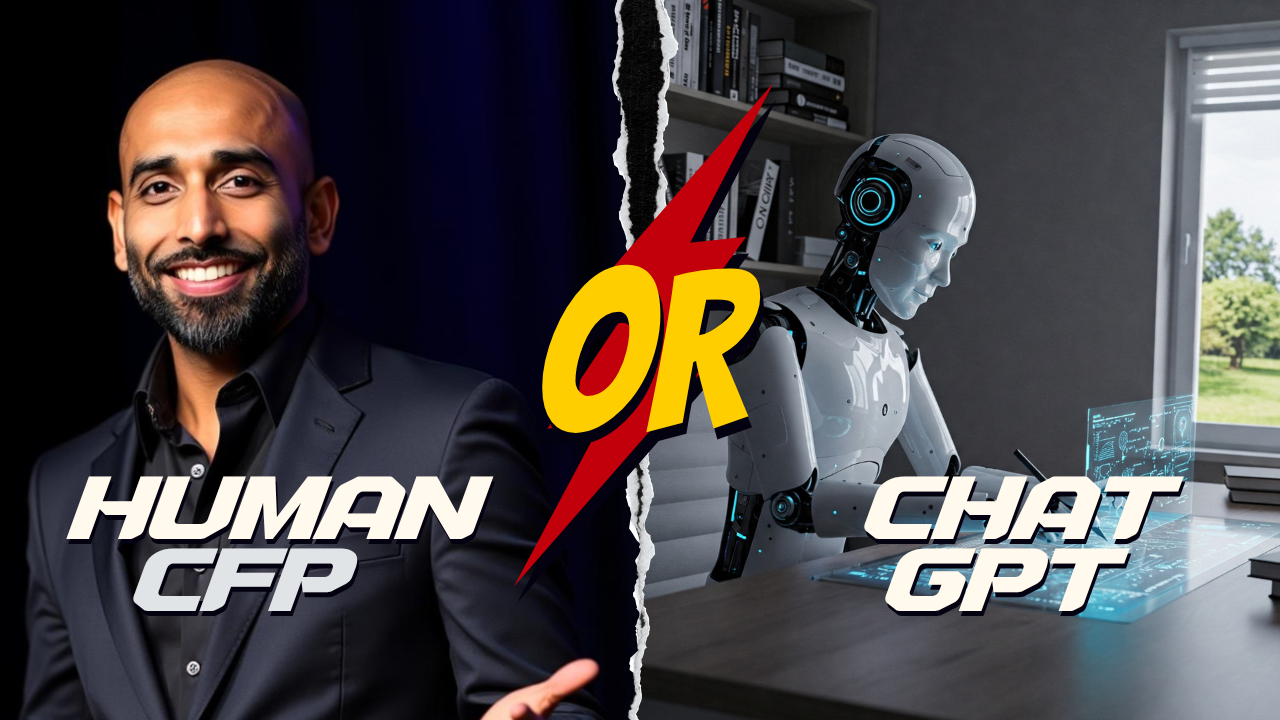
    Someone asked me the other day, “Raman, couldn’t I just use ChatGPT instead of hiring you to help me with retirement planning?” And honestly, it’s a fair question. AI is everywhere right now, and ChatGPT is shockingly good at explaining things like Roth conversions, RMDs, or even the 4% rule in plain English. But here’s the thing: it’s not a retirement planner. It’s a teacher. It can help you understand concepts, but it’s not sitting in your corner looking out for you when real decisions come up.

    What ChatGPT Does Well

    Think of it like this: you can ask ChatGPT, “When do I need to take my RMD?” or “What’s this IRMAA surcharge I keep hearing about?” and it’ll spit out an explanation that makes sense. I’ve had clients walk into meetings with me after doing exactly that, and they’re more prepared, which is fantastic. Sometimes they’ll even hand me a ChatGPT summary and say, “Can you double-check this for me?” and it makes our time together more productive.

    Even Fiduciaries Use AI, Just Differently

    And I’ll be the first to admit I use it too. Not for the advice part, but for efficiency. For example, I might ask it to put together a quick checklist of Medicare deadlines or tax rules just so I don’t have to start with a blank page. But here’s the difference: I don’t stop there. I fact-check everything against the tax code, Morningstar, Schwab resources, and my own experience before it ever gets anywhere near a client plan. So in my world, it’s like a digital assistant, not a decision-maker.

    When AI Gets It Wrong: The Hidden Costs of Context

    Now here’s where it gets tricky. One client once asked ChatGPT to create a Roth conversion plan, and the suggestion looked fine on the surface, convert $150,000 this year. But when I ran the numbers across their entire financial picture, that move pushed their income high enough to trigger two years of higher Medicare premiums. That mistake alone would have cost them thousands more every single year. And keep in mind, Medicare surcharges (IRMAA) affect about 7% of retirees, and once you cross the income thresholds, it’s not just a one-time bump, and it can snowball into years of higher costs.

    If you’d like to understand how taxes quietly impact retirement withdrawals, check out my related article Retirement Planning Without Taxes: Why It Costs So Much (and How to Fix It). It breaks down how a single decision, like when to convert or withdraw can dramatically change how long your money lasts.

    Another time, I got a call from a client in a panic after reading scary headlines about the stock market. He told me, “I think I should pull everything out and just sit in cash.” Then he admitted, “If I didn’t have you, I probably would have sold it all yesterday.” That’s the kind of emotional decision that can derail a retirement plan in a single afternoon. And it’s not unusual. Vanguard has shown that having an advisor who provides behavioral coaching can add up to 1.5% in annual returns just by keeping people from making emotional mistakes.

    Why Human Fiduciaries Still Matter

    That’s where the human side comes in. A fiduciary advisor isn’t just about running numbers. It’s about connecting those numbers to your life, your goals, your family, and making sure the pieces actually fit together. It’s about keeping you steady when emotions could cost you everything you’ve worked for. It’s about updating your strategy when the tax code changes or when life throws you a curveball you weren’t expecting.

    So, where does that leave us? My view is simple. Use ChatGPT to learn, to explore, to ask “what is this?” before we meet so you feel confident in the basics. But when it comes to making the actual calls, like whether you should do a Roth conversion now or spread it over three years, or how to sequence withdrawals between taxable, Roth, and IRA accounts year by year, that’s where human judgment really matters.

    For me, the sweet spot is combining the best of both worlds. I lean on technology to save time and cut through noise, but the strategy, the accountability, and the judgment, that’s the part you can’t automate. And I do it all for one flat, transparent fee. No product pushing, no commissions, no hidden percentages.

    So yes, ChatGPT can be an amazing tool to learn from. But it’s not your retirement planner. It’s not going to stop you from panicking in a down market, it’s not going to customize a plan to your life, and it’s not going to take responsibility if something goes wrong. That’s where having a fiduciary really makes all the difference.

    At the end of the day, the smartest move is this: use ChatGPT to get informed. Use a fiduciary to actually plan. And if you’re curious what that looks like in real life, well, that’s exactly why I offer a free Retirement Strategy Call.

    Important Disclosures

    The information provided herein was obtained from sources believed to be reliable and is believed to be accurate as of the time presented, but it is provided “as is” without any express or implied warranties of any kind.

    This material is intended for informational and educational purposes only and should not be construed as individualized investment, tax, or legal advice. You should consult with your own qualified investment, tax, or legal advisor before making any decisions based on this material.

    Investing involves risk, including the possible loss of principal. Past performance is not indicative of future results. Withdrawal strategies and tax outcomes will vary depending on individual circumstances, account types, tax brackets, and market conditions. No strategy can guarantee success or prevent losses.